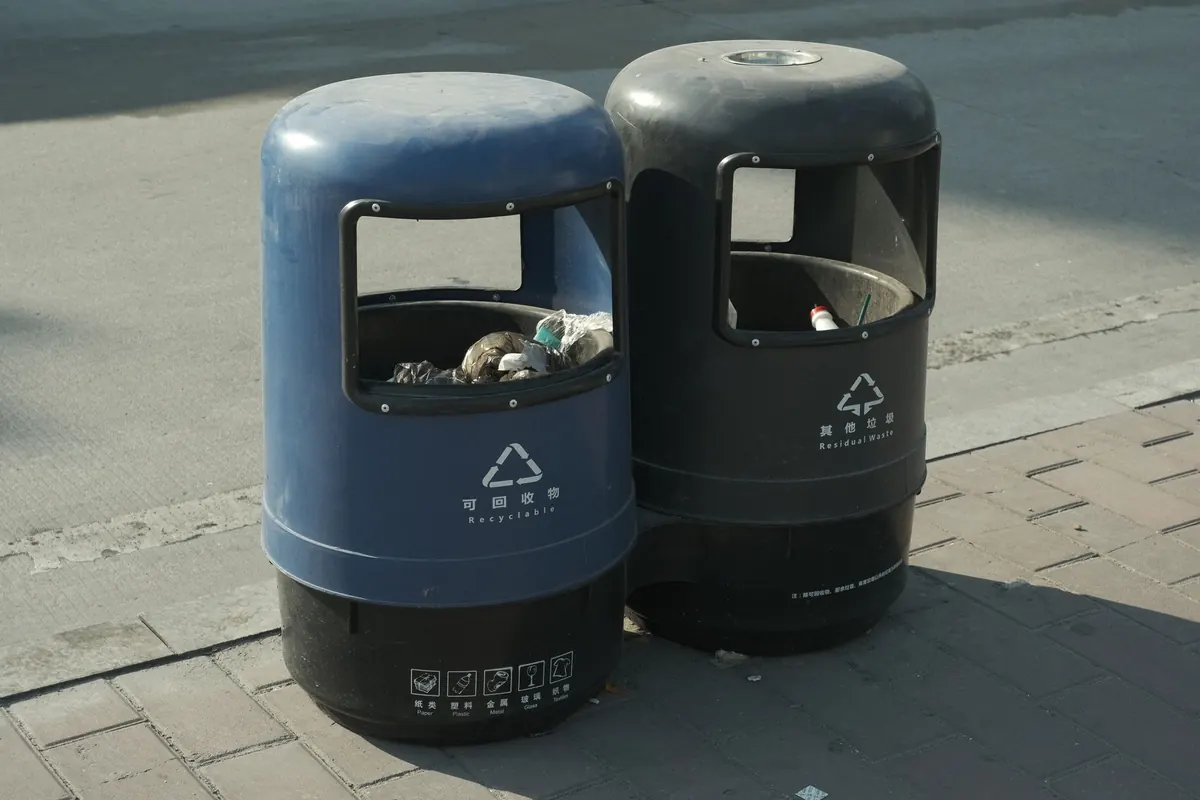
What the New Mesa Recycling Rules Mean for Households: An Explainer
Recycling rules change quietly. A leaflet drops through the door, a sticker appears on the bin lid, and most of us carry on doing what we have always done. The new kerbside arrangements for households in Mesa deserve more than a glance, because they touch three things at once: what goes in the recycling bin, how it is sorted once it leaves your street, and when it gets collected. Get the first of those wrong and the other two hardly matter. One bag of the wrong material can pull a whole lorry load out of the recycling stream.
The exact wording of the rules depends on your address, and your own collection calendar is the version that counts. What follows is how the changes work in practice, what they ask of you, and where to check the details for your street.
What is actually changing
The changes fall into three broad areas. First, the list of materials accepted at the kerbside has been tightened: fewer materials, accepted more reliably, rather than a long list that ends up being sorted out again at the other end. Second, there is more emphasis on the condition of what you put out — empty, roughly clean and loose in the bin, not bagged. Third, some streets have a new collection day or a changed pattern of weekly and fortnightly rounds.
- Materials: a shorter, clearer list of what is accepted in the recycling bin.
- Condition: items should be empty, rinsed and loose — not tied up in a carrier bag.
- Timing: some collection days and round patterns have moved.
Even if your street is unaffected by the third point, the first two still apply. Most rejection tags left on bins come down to a handful of repeat offenders: soft plastics, bagged waste, food-stained card and the occasional battery.
There is also a practical shift in how the rules are enforced. Rather than treating every bin as either perfect or rejected, collection crews may leave a tag explaining what was found and why the bin was not emptied. That is not meant to be a punishment. It is a way of stopping a single household’s mistake from contaminating an entire load. If your bin is tagged, the fix is usually simple: remove the problem item, give the bin a quick check, and put it out again on the next scheduled collection.
What can go in, and what has to stay out
For most households the "yes" list is familiar. The "no" list is where the trouble lies.
Usually accepted
- Plastic bottles — drinks, milk, shampoo, cleaning products, empty and rinsed
- Plastic pots, tubs and trays — yoghurt pots, margarine tubs, fruit punnets
- Paper and card — newspapers, junk mail, cereal boxes, flattened delivery boxes
- Metal — food tins, drinks cans, clean foil, aerosol cans with the lid off
- Glass bottles and jars, where your round collects glass at the kerbside
- Cartons and Tetra Paks, where your council accepts them
Keep these out
- Soft plastics: carrier bags, cling film, crisp packets, bread bags, film lids
- Polystyrene, including takeaway boxes and packing blocks
- Food-soaked card — the greasy half of a pizza box
- Textiles, shoes and bedding
- Batteries, vapes, electrical items and cables
- Nappies, wipes, sanitary products and medical waste
- Anything bagged, boxed or bundled inside another container
Two rules cover most grey areas. If it is not on the accepted list for your address, it does not go in — the rubbish bin or a drop-off point is the alternative. And if you have to think about it for more than a second, leave it out. That is what people in the trade call "wishcycling": putting something in the recycling bin because you hope it can be recycled. It causes more problems than simply putting it in the bin.
Condition matters as much as material. A jar with a spoonful of jam left in it can smear other paper and card. A bottle with liquid still inside can leak through a lorry load. A pizza box with a greasy, cheesy base should be torn in half: the clean lid can go in recycling, but the soaked base belongs in the rubbish. A quick rinse is usually enough — it does not need to be dishwasher clean. The goal is to keep the recycling stream dry, loose and free of food waste.
Loose, not bagged, is another rule worth repeating. Recyclables should go directly into the bin, not inside a tied carrier bag. Sorting facilities cannot easily open bags, so a bagged load is often treated as rubbish and sent to landfill. If you use a bag to carry items from the kitchen to the bin, empty it at the bin and keep the bag for next time.
Why a bit of contamination matters so much
Recycling is sorted partly by machine and partly by hand at a materials recovery facility. Machines use screens, magnets, air blowers and optical scanners to separate materials. People stand along conveyor belts and pull out anything that should not be there. When the wrong items arrive — soft plastics, bagged waste, batteries, food-soaked card — they can tangle the machinery, contaminate whole bales of paper or plastic, or create a safety risk for workers.
Soft plastics are a particular nuisance. They wrap around spinning shafts and clog screens, forcing crews to stop the line and cut the material free. Batteries and vapes are worse than a nuisance: they can spark and start fires in collection trucks or at the sorting facility. That is why batteries, vapes and electrical items need their own drop-off point, not the recycling bin.
Food-soaked card is a quieter problem. Paper and card are sold on to mills that turn them into new products. If too much of a bale is greasy or wet, the mill may reject the whole bale. The same goes for glass mixed into paper, or plastic mixed into glass. One wrong item does not just fail to be recycled; it can drag down the material around it.
When in doubt, leave it out. A clean, boring recycling bin is more valuable than a full, hopeful one.
How to check the rules for your own street
Because Mesa’s collection zones can differ, the safest approach is to check your own address rather than rely on a neighbour’s bin. The City of Mesa’s recycling guide and collection calendar are the authoritative sources, and they are updated when routes or accepted materials change.
- Find your collection calendar online or in the latest council mailing. Check your day, your week pattern and your bin size.
- Check the accepted materials list for your specific route. Some streets collect glass at the kerbside; others do not.
- Look for notes about bin lids, set-out times and how to present extra cardboard. An overloaded bin can be left unemptied.
- Save a screenshot or note on your phone. The rule that matters most is the one you can check in ten seconds on collection morning.
If you have a question about a specific item — a particular type of tray, carton or lid — contact the city’s solid waste department or check the online recycling search tool. A quick check is better than a rejected bin.
A simple routine that keeps a bin usable
You do not need a second kitchen bin or a complicated system. A few small habits make the biggest difference.
- Keep a small caddy or bag beside the main bin for rubbish, and put recyclables straight into the recycling bin as you use them.
- Rinse bottles, jars, tins and tubs quickly. A swirl of cold water is enough for most items.
- Flatten cardboard boxes and squash plastic bottles if your collection allows it. It saves space and reduces the number of trips.
- Leave items loose. Never tie recyclables up in a carrier bag.
- Check the bin lid before you put it out. If it will not close, remove something or save it for next time.
This routine also makes the bin less unpleasant. Rinsed containers do not smell, and loose items do not turn into a soggy, stuck-together mass. That matters more in hot weather, when a neglected recycling bin can become a source of odour and pests.
What happens after the lorry leaves
Once your recycling is collected, it is taken to a sorting facility. There, mixed materials are separated into streams: paper and card, plastics, metals, and sometimes glass. Each stream is baled and sold to companies that turn it into new products — newspaper into new newsprint, plastic bottles into fleece or new packaging, aluminium cans into new cans. The system only works if the material arriving at the facility is close to what was promised.
That is why the new rules are stricter. They are not designed to make recycling harder for households. They are designed to make the output cleaner, so more of it can actually be sold and reprocessed. A shorter accepted list, better condition and clearer collection days all point in the same direction: less contamination, more genuine recycling.
The bottom line
The new Mesa recycling rules are best understood as a quality check, not a trick. Put the right materials in, keep them empty, rinsed and loose, and check your own collection calendar for any timing changes. When you are unsure, leave it out or find the proper drop-off point. That one habit protects the whole system — and it is the easiest part of the rule to follow.
Photo: Yori H / Pexels