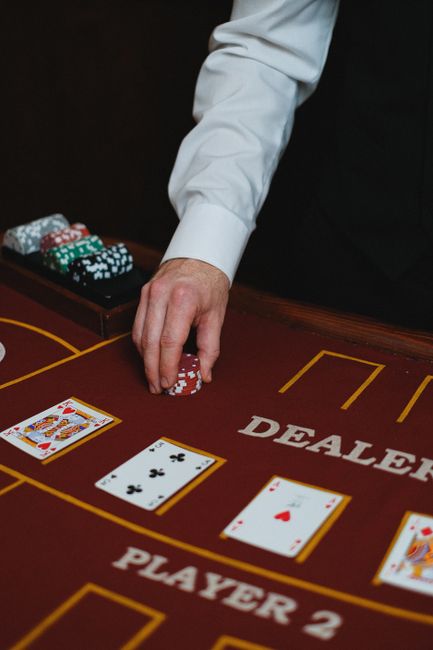
Walk into any online casino for the first time and the lobby practically screams at you. Flashing jackpot tickers, a poker table waiting in the corner, live dealers shuffling cards, and a sportsbook offering odds on everything from the Champions League to Albanian second-division football. It's overwhelming, and that's by design. The house doesn't want you thinking clearly. It wants you clicking.
That's not a conspiracy theory, it's just good business. So let's cut through the noise and talk about what actually matters if you're going to spend real money in the iGaming world — whether you're spinning slots, grinding poker tournaments, or betting on a Sunday accumulator.
Slot Machines: The Math You Can't Escape
Slots are the cash cow of every casino, land-based or online. They're simple, they're fast, and they're profitable for the operator. According to industry data, slots typically account for somewhere between 60 and 80 percent of a casino's total gaming revenue. That tells you everything about where the house edge lives.
Every slot you play has an RTP — return to player — usually somewhere between 92% and 97%. A 96% RTP sounds generous until you understand what it means: over millions of spins, the machine returns 96 cents for every dollar wagered. In the short term, anything can happen. In the long term, that 4% is the casino's rent, and you're paying it.
- Volatility matters more than RTP for your experience. A high-volatility slot like Book of Dead might pay huge but go 200 spins without a hit. A low-volatility game pays small and often. Pick based on your bankroll, not the jackpot number.
- Progressive jackpots come with a catch. They look life-changing, but the odds of hitting one are astronomically small. Treat them as entertainment, not a retirement plan.
- Bonus buys are a trap for impatient players. Paying 100x your stake to trigger free spins feels exciting, but it adds variance you may not be able to absorb.
My honest advice: set a session limit before you spin a single reel, and stick to it. The slot doesn't have a memory, but your bank account does.
Poker Is Not Gambling (In the Way You Think)
Here's something recreational players often miss: poker is the only game in the casino where you play against other people, not the house. The house takes a rake — usually 5% of each pot, capped at a few dollars — but the money circulating at the table comes from your opponents' mistakes.
That single fact changes everything. In slots, blackjack, or roulette, you can't outplay the math. In poker, you absolutely can. slot deposit 5000 is a solid starting point for anyone new to this.
What Actually Separates Winning Poker Players
- Bankroll management. A winning player never sits at a $2/$5 table with $100. Standard bankroll rules say you need at least 20 buy-ins for cash games and 50 to 100 buy-ins for tournaments.
- Position awareness. Acting last gives you more information. Most beginners play too many hands from early position and bleed chips without realizing it.
- Reading ranges, not hands. Forget trying to put someone on an exact hand. Think about the range of hands they could have, and play accordingly.
- Emotional control. Tilt is the single biggest leak for amateur players. One bad beat and suddenly you're shoving with junk. Walk away — the table will still be there tomorrow.
Online poker rooms like PokerStars, GGPoker, and 888poker host thousands of tables at any hour. But the softest games aren't always the most visible. Low-stakes tournaments with small buy-ins often have the weakest fields, which is where patient players can build a bankroll from scratch.
Sports Betting: Edges Exist, But They're Small
Sports betting has exploded in popularity, thanks partly to legalization across many US states and aggressive advertising everywhere else. It feels like skill because you watch the games. But here's the uncomfortable truth: bookmakers build a margin into every market, usually somewhere between 4% and 8% on standard two-way lines.
That margin is why most bettors lose over time. But unlike slots, sports betting actually offers opportunities for sharp bettors who understand a few things:
- Line shopping is non-negotiable. The difference between -110 and -105 on the same bet doesn't sound like much, but over hundreds of bets it's the difference between profit and loss.
- Closing line value is the truest measure of skill. If you consistently beat the closing line, you're likely a winning bettor long term. It's a better metric than any short-term win rate.
- Specialize. Nobody wins betting every sport. Pick one or two leagues, learn them deeply — team news, travel schedules, referee tendencies — and skip everything else.
Accumulators and parlays are fun, but they compound the bookmaker's edge. A four-leg parlay at -110 each leg has an implied house edge of nearly 20%. That's not a bet, it's a lottery ticket with extra steps.
Bonuses, Wagering Requirements, and the Fine Print Nobody Reads
Welcome bonuses look amazing on the homepage: "Deposit $100, get $100 free!" But almost every bonus comes with wagering requirements — usually 20x to 40x the bonus amount before you can withdraw anything.
If you take a $100 bonus with a 35x wagering requirement, you need to bet $3,500 before cashing out. And that's often restricted to specific games at specific contribution rates. Slots might count 100%, blackjack usually counts 10% or less, and some games don't count at all.
Read the terms. Actually read them. A bonus you can't realistically clear is worth less than nothing, because it ties up your own money in the process.
The Bottom Line: Play Like You Mean It
The iGaming industry is not a charity. It's a business built on entertainment, and the math always favors the house eventually. That's not a reason to avoid it — people gamble for fun, for the thrill of a river card, for the sweat of a last-minute goal. Those moments are real and worth something.
But the players who enjoy it most are the ones who set limits, understand the games, and never bet money they can't afford to lose. Whether you're grinding low-stakes poker, backing a team you actually watch, or spinning a slot with a cold beer on a Friday night — know the game before the game knows you.
Do the math. Read the fine print. Walk away when you've had enough. That's not advice from a casino, it's advice from someone who's watched too many people learn the lesson the hard way.